
Orthodontics and Wisdom Teeth Removal
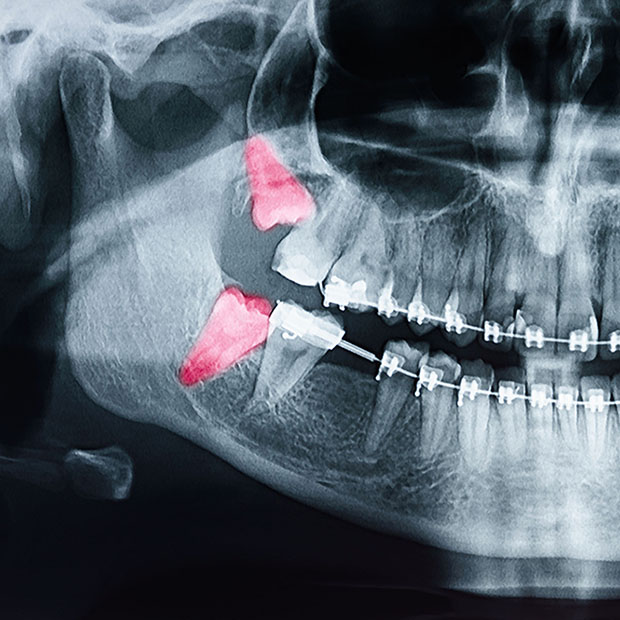
If you or your child is going through orthodontic treatment, you’ve probably wondered, “What about wisdom teeth?”
It’s one of the most common concerns patients bring to their orthodontist, and for good reason. Understanding how wisdom teeth relate to your orthodontic care can help you make informed decisions and protect your smile for the long haul.
What Are Wisdom Teeth, and When Do They Appear?
Wisdom teeth are the third set of molars, typically emerging between the ages of 17 and 25. Most people develop four of them, one in each corner of the mouth. Because they arrive so late, the jaw is often already crowded, leaving little room for these newcomers to come in properly.
Do Wisdom Teeth Ruin Orthodontic Results?
This is probably the biggest concern patients have: “Will my wisdom teeth undo all my orthodontic work?” The short answer is that the evidence is mixed. For years, the assumption was that wisdom teeth created pressure that would push other teeth forward, causing crowding and undoing the results of braces or aligners. More recent research suggests the relationship is not quite that straightforward, and wisdom teeth alone may not be the primary driver of post-treatment shifting.
That said, teeth naturally tend to shift throughout life regardless of wisdom teeth, which is exactly why retainers remain so important after orthodontic treatment. Your orthodontist is the best person to evaluate your specific situation and determine whether your wisdom teeth pose a risk to your results.
When Is Removal Recommended?
Orthodontists and oral surgeons typically recommend wisdom tooth removal when the teeth are impacted, meaning they are unable to fully emerge due to lack of space. Impacted wisdom teeth can cause pain, infection, cysts, and damage to neighboring teeth. Removal may also be suggested when wisdom teeth are coming in at an angle that threatens the surrounding teeth, or when there simply isn’t enough room in the jaw for them to erupt properly.
In some cases, an orthodontist may recommend removing wisdom teeth before or after treatment as a precautionary measure, particularly if the patient’s mouth is already crowded or if the wisdom teeth appear likely to cause problems down the road.
Timing and Coordination Between Providers
If wisdom tooth removal is on the horizon, timing matters. Your orthodontist and oral surgeon will often work together to coordinate care, especially if extractions need to happen in relation to the start or completion of orthodontic treatment. Early evaluation, typically in the mid-teen years, gives providers the best window to plan ahead before the roots fully develop.
The Bottom Line
Wisdom teeth and orthodontic treatment are closely connected topics, but every patient’s situation is unique. The best thing you can do is stay in close communication with your orthodontic team, keep up with your retainer wear after treatment, and attend regular follow-up appointments. With the right monitoring and planning, you can protect your smile well beyond the day your braces come off.