
What to Look For in a Good Toothpaste
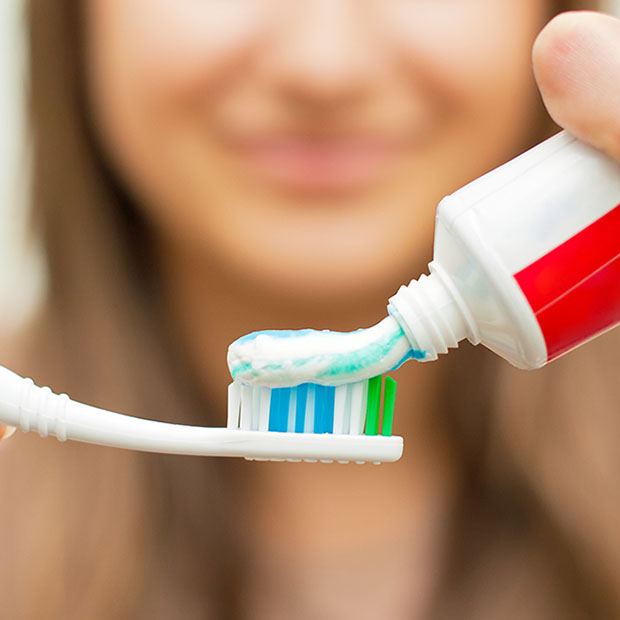
Walk down the toothpaste aisle at any pharmacy and you’ll see dozens of options.
They promise whiter teeth, fresher breath, or total protection, and with so many choices, it’s easy to feel overwhelmed. The good news is that choosing the right toothpaste doesn’t have to be complicated once you know what actually matters for your oral health.
Look for the Fluoride
Fluoride is the single most important ingredient in any toothpaste. This mineral strengthens tooth enamel, helps reverse early signs of decay, and makes teeth more resistant to the acids produced by bacteria in your mouth. The American Dental Association recommends fluoride toothpaste for children and adults alike, though the amount used for young children should be limited, a smear for infants and a pea-sized dot once they can spit reliably. If a toothpaste doesn’t list fluoride as an active ingredient, it’s not doing the job most people need it to do.
Check for the ADA Seal of Acceptance
The ADA Seal of Acceptance means a product has been independently evaluated for safety and effectiveness. Toothpastes carrying this seal have met specific standards for reducing cavities, controlling plaque, or addressing sensitivity, depending on the formula. It’s a simple way to filter out marketing hype and focus on products backed by actual evidence.
Consider Your Specific Needs
Not every mouth needs the same formula. If you experience tooth sensitivity, look for toothpaste containing potassium nitrate or stannous fluoride, which help block the pathways that transmit pain signals from the tooth surface to the nerve. If gum health is a concern, some formulas target the bacteria associated with gingivitis. Patients with braces or other orthodontic appliances often benefit from toothpastes designed to fight plaque buildup around brackets and wires. If you’re unsure which category fits you best, your dentist or orthodontist can point you toward a formula suited to your particular situation.
Be Cautious With Abrasiveness
Whitening toothpastes can be tempting, but some rely on abrasive particles to physically scrub away surface stains. Used too often or too aggressively, these can wear down enamel over time. Look for whitening formulas that use gentler chemical action rather than heavy abrasives, and check the packaging or ask your dental provider if you’re concerned about a specific product.
Skip the Extras You Don’t Need
Bright colors, intense flavors, and bold packaging don’t affect how well a toothpaste works. Focus on the ingredient list rather than the marketing. A toothpaste with fluoride, an ADA seal, and features matched to your needs will outperform a flashier product that skips the essentials.
When in Doubt, Ask
Every mouth is different, and what works well for one patient might not be ideal for another. If you have questions about sensitivity, enamel wear, orthodontic care, or products related to root canal recovery, our team is happy to make personalized recommendations at your next visit. Focus on fluoride, look for the ADA seal, and match the formula to your specific oral health needs. Your smile will thank you.