
Getting Straight Teeth Has No Age Limit
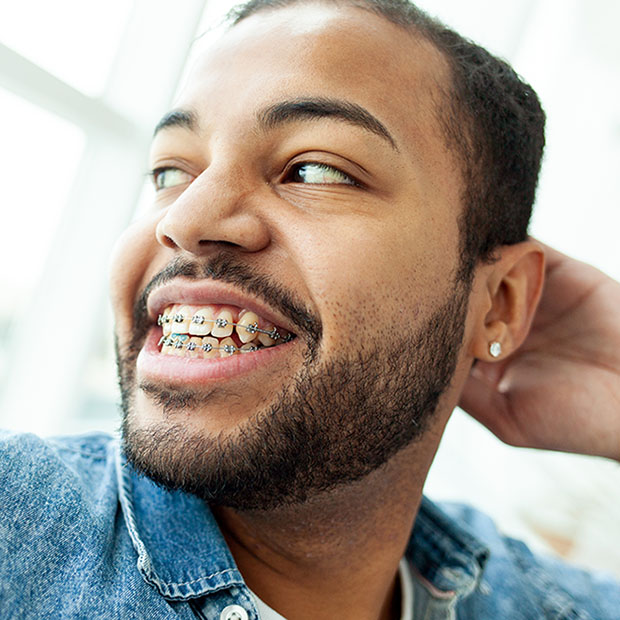
Have you ever caught yourself thinking “I wish I’d gotten braces when I was younger”?
Here’s something worth knowing: it is never too late to straighten your teeth. Adult orthodontic treatment is more common than ever, and the options available today make it easier, more comfortable, and more discreet than anything that existed a generation ago.
Orthodontics Isn’t Just for Kids
Many people assume that braces are a rite of passage reserved for teenagers, but that simply isn’t true. About one in four orthodontic patients in the United States today is an adult. Whether you had braces as a child and your teeth shifted over time, or you never received treatment at all, your teeth can still be moved and aligned at virtually any age. Bone density does play a role in how teeth move, and treatment may take slightly longer for adults than for adolescents, but the results are just as achievable and just as lasting.
Why Adults Seek Treatment
The reasons adults pursue orthodontic care are as varied as the patients themselves. Some are motivated by aesthetics, wanting to feel more confident in professional settings, at social events, or simply when looking in the mirror. Others have functional concerns, such as difficulty chewing, jaw discomfort, uneven tooth wear, or spacing issues that make oral hygiene harder to maintain.
Crowded or overlapping teeth are notoriously difficult to brush and floss properly, which increases the risk of cavities and gum disease over time. Straightening your teeth, then, is not just a cosmetic decision. It is an investment in your long-term oral health.
Modern Treatment Fits Modern Life
One of the biggest barriers adults once faced was the prospect of wearing traditional metal braces through important life moments at work, weddings, reunions, and job interviews. Today, that barrier is far lower. Clear aligner systems allow patients to straighten their teeth using a series of virtually invisible, removable trays.
Ceramic braces blend with the natural color of teeth and are far less noticeable than metal. Lingual braces attach to the back surfaces of the teeth, making them invisible from the front entirely. Your orthodontist can help you weigh the pros and cons of each option based on your specific case, your lifestyle, and your goals.
What to Expect as an Adult Patient
A consultation with an orthodontist is the first step, and it’s usually more straightforward than people expect. Your orthodontist will examine your teeth, review X-rays, and discuss what kind of movement is needed and how long treatment might take. Most adult treatment plans range from several months to a couple of years, depending on complexity.
Retention after treatment is especially important for adults, since teeth have a natural tendency to drift back toward their original positions over time. Wearing a retainer as directed is the key to keeping your results for the long haul. Your smile deserves attention at every stage of life.